Concrete Retaining Walls vs Concrete Poured Walls: What’s the Difference?
Homeowners seeking to build durable, functional landscape features can rely on local contractors specializing in concrete retaining walls and poured walls to choose the right solution and ensure proper installation.
If you're exploring options for enhancing your property’s landscape or managing terrain challenges, understanding the differences between concrete retaining walls and concrete poured walls is an important first step. Property owners in the area often consider these structures for purposes such as preventing erosion, creating level areas, or adding aesthetic appeal. Since each type offers unique benefits and considerations, it’s helpful to learn how they compare to make informed decisions. Local contractors specializing in retaining wall and concrete wall installation can provide valuable insights and solutions tailored to your specific needs, ensuring the right choice for your property.
As you continue to explore, it’s worth noting how these different concrete structures serve distinct functions and suit different environments. Concrete retaining walls are often favored for their versatility and ability to hold back soil, while poured concrete walls are typically used for foundational or structural purposes. Connecting with experienced service providers in the area can help clarify which option aligns best with your project goals. Keep reading to discover the key differences and practical considerations that can guide your decision-making process.
Get Quotes for Retaining Wall And Concrete Poured Wall Installation
- Retaining Wall installation - needed when property owners want to stabilize slopes or create level areas, with local contractors customizing solutions to suit terrain and aesthetic preferences.
- Concrete poured wall installation - suitable for constructing foundation or basement walls, with service providers focusing on precision and structural integrity.
- Retaining Wall construction - required for supporting soil and preventing erosion in landscaping projects, with local pros offering various materials and design options.
- Concrete poured wall setup - used for large-scale structural needs like basements or load-bearing walls, with contractors ensuring proper reinforcement and durability.
- Retaining Wall services - often chosen for decorative or functional boundary walls, with local specialists tailoring the approach to site-specific conditions.
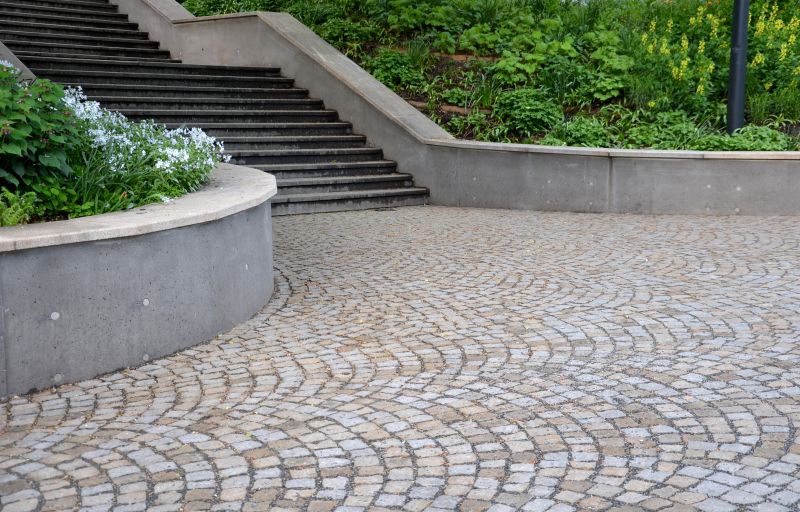
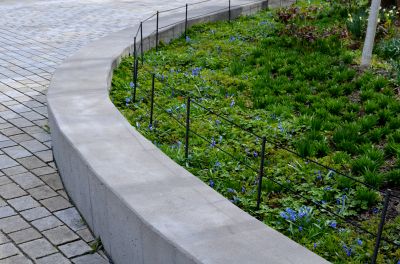
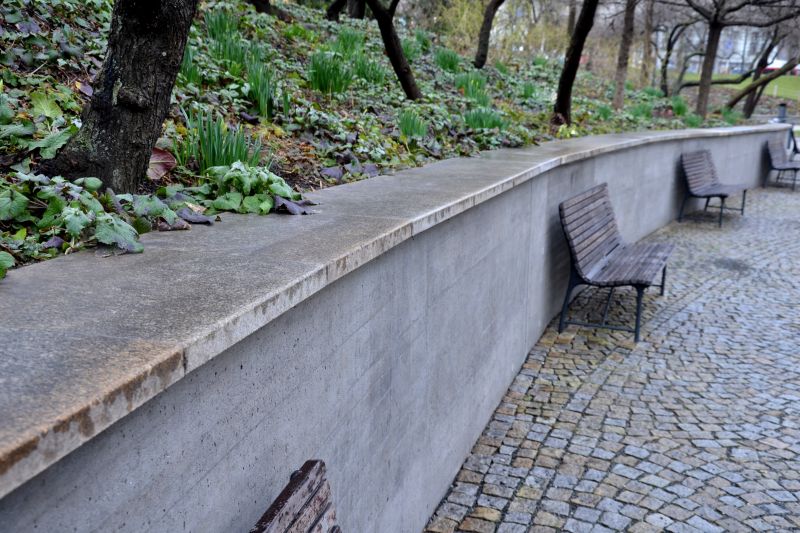
When homeowners search for information about concrete retaining walls versus concrete poured walls, they are often trying to understand the fundamental differences between these two types of structures. This comparison typically arises during planning for landscape modifications, erosion control, or property expansion projects. People want to know which option best suits their specific needs, whether for holding back soil on a sloped yard, creating level areas, or designing decorative features. The focus is on understanding how each type of wall functions, their durability, and how they integrate into the overall property design. Local contractors who specialize in retaining wall and poured wall installation can help clarify these differences and recommend the most suitable solution based on the property’s terrain and intended use.
These topics are closely connected to problems like soil erosion, land leveling, or creating functional outdoor spaces. For example, properties with uneven terrain or slopes often require retaining walls to stabilize the ground and prevent soil movement. Poured concrete walls might be considered for foundation work or creating structural enclosures, while retaining walls are more specifically used to manage landscape elevation changes. Homeowners planning outdoor renovations or property improvements frequently seek guidance on which type of wall will provide the necessary strength, longevity, and aesthetic appeal. Local service providers who understand the nuances of each option can assess the site conditions and help determine the best approach to address these challenges effectively.
The types of properties that typically come up in discussions about concrete retaining walls versus poured walls include residential yards, hillside properties, and commercial sites with significant elevation differences. Residential properties often use retaining walls for garden terraces, driveway support, or aesthetic features that enhance curb appeal. Hillside homes may require more substantial retaining structures to prevent landslides or soil erosion. Commercial properties, especially those with large-scale landscaping or foundation needs, might incorporate poured concrete walls for structural stability or retaining purposes. These projects often involve a combination of both types of walls, making it essential to work with local contractors who have experience in designing and installing the appropriate structures for each property type.
Understanding the connection between these wall types and real property projects helps homeowners make informed decisions. Retaining wall installation requires careful planning to ensure stability and longevity, while poured walls demand precise formwork and reinforcement for structural integrity. Local contractors who specialize in both areas can evaluate the specific landscape, soil conditions, and project goals to recommend the most effective wall type. Whether the goal is to prevent soil erosion, support a new patio, or build a foundation, choosing the right wall depends on understanding these differences and how each option fits into the overall property plan. Connecting with experienced local service providers ensures that the project will meet the property’s needs and stand the test of time.
Landscape Construction - skills in grading, excavation, and concrete work are essential for installing both retaining walls and poured concrete structures in landscape projects.
Foundation Pouring Services - expertise in pouring and reinforcing concrete is applicable to a variety of structural projects, including retaining walls and foundation walls.
Hardscaping Projects - designing and building patios, walkways, and retaining features require similar planning and concrete skills used in retaining wall and poured wall installations.
Drainage System Installation - understanding of drainage and waterproofing techniques supports the effective construction of retaining walls and poured concrete walls.
Structural Concrete Services - proficiency in forming and pouring concrete is directly related to constructing durable retaining and poured walls.
Site Preparation and Excavation - knowledge of soil assessment and excavation techniques is vital for both retaining wall and concrete poured wall projects.
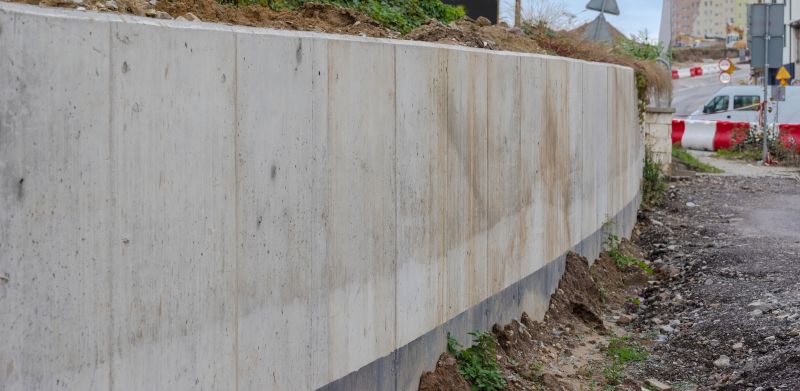
When comparing contractors for concrete retaining walls versus concrete poured walls, it’s important to evaluate their experience with similar projects. Homeowners should inquire about the types of retaining wall or poured wall projects the service providers have completed in the past, paying attention to the scale and complexity of those jobs. A contractor with a proven track record in constructing durable retaining walls or poured foundations is more likely to understand the specific challenges and techniques required for each type of wall, ensuring the work aligns with the project’s needs.
Clear written expectations are essential when selecting a local contractor for either concrete retaining walls or concrete poured walls. Homeowners should seek detailed proposals that outline the scope of work, materials to be used, and the estimated responsibilities of each party. Having this information in writing helps prevent misunderstandings and provides a basis for comparing different service providers. It also allows homeowners to verify that the contractor’s approach matches their project goals and that there is transparency throughout the process.
Reputable references and effective communication are key factors in making an informed decision. Homeowners should ask for references from previous clients who had similar work done, to gain insight into the contractor’s reliability and quality of craftsmanship. Good communication involves timely responses to questions, clear explanations of options, and a willingness to discuss project details openly. Choosing local contractors known for their professionalism and responsiveness can help ensure the installation of either concrete retaining walls or poured walls proceeds smoothly and meets expectations.
Get a Quote for Retaining Wall And Concrete Poured Wall Installation
Property owners often search for concrete retaining walls vs concrete poured walls: what’s the difference? when they are planning practical projects around their homes and businesses. Local pros provide Retaining Wall and Concrete Poured Wall Installation services for everyday jobs and straightforward project options.
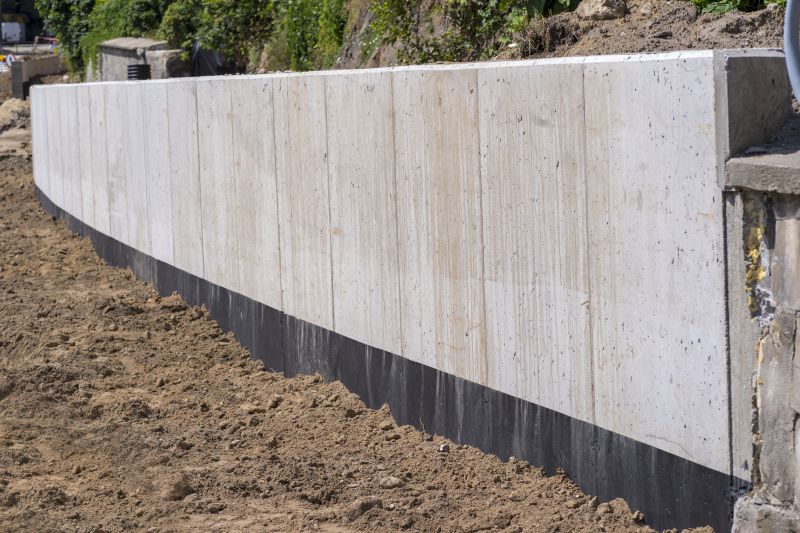
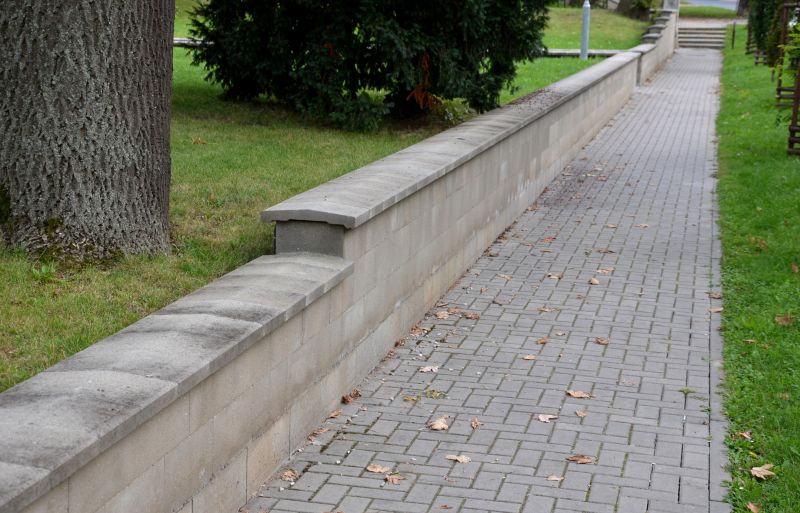
Understanding the differences between concrete retaining walls and concrete poured walls can help property owners make informed decisions for various projects around their homes. For example, a homeowner looking to stabilize a sloped yard or create a level outdoor space might consider a retaining wall to prevent soil erosion and improve landscape functionality. On the other hand, those needing foundational support for a new structure or basement may explore concrete poured walls, which are often used for their seamless, reinforced design. Local contractors who specialize in these services can assess specific property needs and recommend the best approach, ensuring the project meets both practical and aesthetic goals.
Many property owners search for guidance on which type of concrete wall suits their project best, especially when planning landscape modifications or home expansions. Retaining wall installation services are typically chosen for their ability to hold back earth and define outdoor spaces, while concrete poured walls are favored for structural support in foundations. Connecting with experienced local service providers can help clarify the advantages of each option, providing options suited to the property's terrain and the project’s scope. This ensures that property owners receive professional advice tailored to their specific needs, making the decision process more straightforward.
Get a Quote for Retaining Wall And Concrete Poured Wall Installation
What is the main difference between concrete retaining walls and concrete poured walls? Concrete retaining walls are designed to hold back soil and prevent erosion, often built with blocks or panels, while concrete poured walls are typically used as foundation or basement walls, poured directly into forms for a continuous structure.
Are concrete retaining walls and concrete poured walls suitable for the same types of projects? Not necessarily; retaining walls are ideal for landscaping and managing slopes, whereas poured walls are commonly used for structural support in foundations and basements, with local contractors helping determine the best option.
Can local contractors install both concrete retaining walls and concrete poured walls? Yes, experienced service providers can install both types, offering guidance on which is appropriate based on the project’s needs and site conditions.
What factors influence the choice between a concrete retaining wall and a poured concrete wall? Factors include the purpose of the wall, soil conditions, load requirements, and aesthetic preferences, with local pros providing advice tailored to specific site conditions.
How do concrete retaining walls and poured walls differ in construction and durability? Retaining walls often involve modular construction and may require reinforcement, while poured walls are monolithic structures that typically offer high strength and durability, with local contractors ensuring proper installation for long-lasting results.
Choosing the right type of wall can help property owners decide whether a concrete retaining wall or a poured wall best suits their landscape needs, guiding them in planning their project with local contractors.
Understanding structural differences allows property owners to select the appropriate wall type for supporting slopes or creating level areas, with local service providers offering expert installation options.
Considering aesthetic and functional goals helps property owners determine whether a retaining wall or poured wall aligns with their design vision, supported by local pros who can customize the approach.
Evaluating site conditions ensures property owners choose the most durable and suitable wall type for their soil and weather, with local contractors providing advice and installation tailored to the environment.
If you are thinking about concrete retaining walls vs concrete poured walls: what’s the difference? for a property, this guide is meant to help you understand this topic, the typical project types, and how different options might fit your plans.
When you are ready, you can use the quote form on this page to share a few details about your project. From there, local pros can review the basics and follow up with options that match what you have in mind.
Get a Quote for Retaining Wall And Concrete Poured Wall Installation