
Top-Rated Tools And Materials For Concrete Retaining Wall Installations
Select from the highest-rated products designed to simplify the process of building reliable and attractive retaining walls.
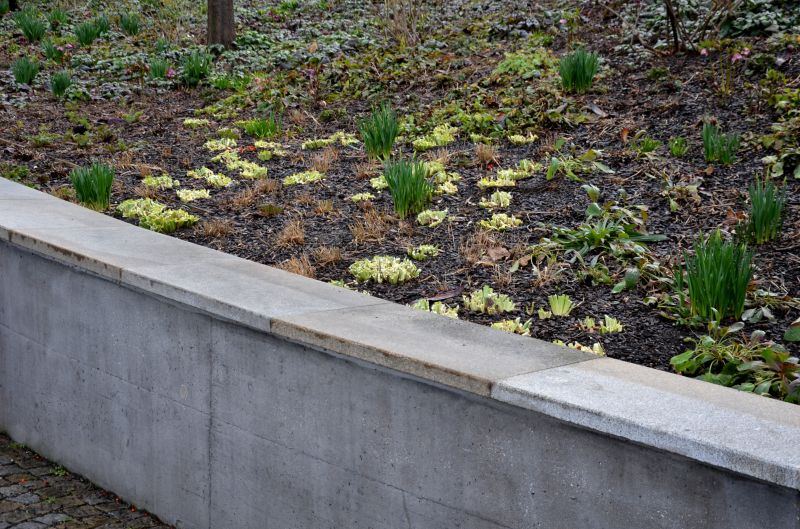 Constructing a durable and visually appealing concrete retaining wall requires careful selection of the right products. These products are designed to withstand soil pressure, resist weathering, and provide structural stability over time. From foundational elements to finishing touches, the array of available materials and accessories caters to various project sizes and complexities. Proper installation not only enhances the functionality of the wall but also contributes to the overall aesthetic of outdoor spaces. Whether undertaking a small garden project or a larger landscape feature, choosing the appropriate products is essential for achieving long-lasting results.
Top Overall Option
Concrete Retaining Wall Block System
A versatile concrete block system offers a modular approach to constructing retaining walls, providing options for various heights and designs. These blocks are designed for easy stacking, often featuring interlocking features that enhance stability. They are available in different textures and finishes to match aesthetic preferences and are suitable for both DIY enthusiasts and professional installers. When combined with appropriate drainage and reinforcement elements, this system can support a range of landscape and structural needs.
Types of Products For Concrete Retaining Wall Installations
Concrete Blocks
Precast concrete blocks are a popular choice for constructing retaining walls due to their durability and ease of installation. They come in various sizes and textures to suit different design requirements.
Interlocking Wall Blocks
Designed to fit together without mortar, interlocking blocks simplify the building process and provide stability through their locking mechanisms.
Concrete Panels
Large precast panels can be used for quick installation and create a clean, modern look. They often include integrated drainage features.
Reinforcement Meshes
Steel or fiber reinforcement meshes are used to strengthen the concrete structure, especially for taller or load-bearing walls.
Drainage Pipes and Weep Holes
Essential for managing water behind the wall, these components help reduce hydrostatic pressure and prevent structural issues.
Geogrids and Soil Reinforcements
These materials are used to stabilize the soil and improve the overall stability of the retaining wall system.
Wall Caps and Coping
Capstones and coping units provide a finished look and help protect the wall from water infiltration.
Sealants and Water Repellents
Applied to protect the concrete surface, these products help prevent cracking and water damage over time.
Corner and Edge Supports
Support elements designed to reinforce corners and edges, ensuring structural integrity and aesthetic appeal.
Anchoring Systems
Anchors and tie-backs provide additional stability, especially for taller or more complex wall designs.
Leveling and Spacers
Tools and accessories that facilitate accurate placement and alignment during construction.
Construction Adhesives
Specialized adhesives help secure components and reinforce joints for added stability.
Drainage Gravel and Backfill
Crushed gravel and specialized backfill materials promote proper drainage and reduce hydrostatic pressure.
Concrete Repair Kits
Maintenance products designed for patching cracks and surface damage to prolong wall lifespan.
Form Liners and Molds
Used for creating textured or decorative concrete surfaces, adding aesthetic value to the wall.
Popular Choices
Widely used for their modularity and ease of installation, concrete block systems are favored by many for DIY projects.
Known for their simple assembly, interlocking blocks are trending for quick and stable wall construction.
Prefabricated panels are popular for their uniform appearance and rapid installation capabilities.
Effective drainage components like weep holes and gravel backfills are essential in many trending projects.
Steel reinforcement meshes are frequently used to enhance stability, especially in taller walls.
Adding caps for both functional and aesthetic purposes remains a popular choice among builders.
Sealants that protect concrete surfaces from water infiltration are commonly selected for longevity.
Support elements for corners and edges are trending to ensure structural integrity in complex designs.
Tools that assist in achieving precise alignment are frequently used in modern installations.
Adhesives for securing components are increasingly favored for seamless joints and added stability.
The core of any concrete retaining wall system involves sturdy blocks or panels that form the main structure. These components are often reinforced with additional materials such as geogrids or steel reinforcements to improve load-bearing capacity. Drainage products like weep holes and gravel backfills are equally important to prevent water buildup and pressure behind the wall. Accessories such as caps, sealants, and edge restraints help to finish the project neatly and ensure the stability of the installation. When selecting products, it is important to consider the specific environmental conditions and load requirements of the site.
Installation accessories also include tools and supports that facilitate precise placement and alignment. Leveling compounds, spacers, and anchoring systems help achieve a professional finish and secure the structure. Maintenance products such as waterproof sealants and repair kits can extend the lifespan of the wall by protecting it from cracking and deterioration. Overall, a comprehensive approach that combines structural components with proper drainage and finishing materials will contribute to a successful and enduring concrete retaining wall installation.
Key Buying Considerations
- Determine the load capacity required based on the height and purpose of the wall.
- Assess environmental conditions such as exposure to moisture, freeze-thaw cycles, and soil type.
- Choose materials that complement your aesthetic preferences and landscape design.
- Ensure compatibility of drainage components to prevent water accumulation behind the wall.
- Select reinforcement options suited for the height and stability needs of your project.
- Consider ease of installation and whether professional help may be necessary.
- Evaluate the availability of matching accessories like caps, sealants, and supports.
- Check for product durability and resistance to cracking, chipping, or weathering.
- Review the total cost, including accessories and tools required for installation.
- Plan for maintenance products to prolong the lifespan of the wall.
- Ensure the products meet local building codes and safety standards.
- Look for modular systems that allow flexibility for future expansion or modifications.
- Consider the weight and transportation requirements of the materials.
- Verify the compatibility of reinforcement and drainage products with your chosen wall blocks or panels.
- Assess the level of technical support or guidance provided by suppliers.
This page contains affiliate links. We may earn a commission if you purchase through these links, at no additional cost to you.